August 03, 2026
← Journal


July 29, 2026
Marken wie Rhude, Amiri und Fear of God: ein Überblick
Wenn Sie nach einem dieser Labels gesucht haben und den Preis schwer zu rechtfertigen fanden, sind Sie damit nicht allein. Die Luxus-Streetwear-Klasse liegt in einem Preissegment, in dem Sie mehrere Dinge gleichzeitig bezahlen – Stoff, Verarbeitung, Design, Marke und Knappheit – und die Aufteilung dazwischen ist nicht immer offensichtlich.
Hier ein nüchterner Blick darauf, was die großen Namen unterscheidet und wo kleinere Marken tatsächlich stehen.
Fear of God
Das Label von Jerry Lorenzo baut auf Fall und Proportion – oversize Silhouetten, gedämpfte Farbpaletten, große Aufmerksamkeit dafür, wie Stoff hängt. Die Hauptlinie bewegt sich auf echtem Luxusniveau.
Essentials ist die Zweitlinie und der Grund, warum die meisten die Marke kennen. Deutlich niedrigerer Preis, einfachere Verarbeitung, starke Logo-Präsenz. Es ist ein anderes Produkt, keine günstigere Version desselben.
Sie bezahlen für: Silhouettendesign und Stoffgewicht. Weniger für technische Verarbeitung.
Rhude
Das Label von Rhuigi Villasenor lebt von Grafikarbeit und einem spezifischen Referenzrahmen aus Los Angeles – Motorsport, Americana, Gastronomie. Der Reiz liegt größtenteils in Print und Grafikdesign, weniger in der Schnittentwicklung.
Sie bezahlen für: Grafiken und Markenpositionierung.
Amiri
Das Label von Mike Amiri ist das verarbeitungsintensivste dieser Gruppe, besonders im Denim. Das Distressing der Amiri-Jeans wird von Hand gemacht, was wirklich arbeitsintensiv ist, und die Bandana- und Patchwork-Modelle erfordern echte Montagearbeit.
Sie bezahlen für: Handarbeit im Finish, plus Marke.
Gallery Dept.
Das Label von Josue Thomas arbeitet mit überarbeiteter und bemalter Vintage-Ware. Jedes Stück trägt echte Variation, weil das Ausgangsteil unterschiedlich ist. Das ist ein anderes Wertversprechen – Sie kaufen etwas, das einem Einzelstück nahekommt.
Sie bezahlen für: individuelle Verarbeitung und Knappheit.
Represent
Ein britisches Label in einem niedrigeren Preissegment als die übrigen hier. Klarere Designsprache, weniger grafiklastig, stärker auf Schnitt und Stoff fokussiert.
Sie bezahlen für: Stoff und Passform, mit geringerem Markenaufschlag.
Corteiz
In London ansässig, fast vollständig auf Knappheit und Community aufgebaut statt auf Handelspräsenz. Drops sind bewusst schwer zugänglich. Das Produkt ist vergleichsweise einfach; das Modell ist der Punkt.
Sie bezahlen für: Zugang und kulturelle Position.
Wofür Sie generell tatsächlich bezahlen
In dieser Klasse verteilt sich der Preis grob auf:
Stoff. Real und messbar. Schwerere Baumwolle, japanischer Denim und bessere Färbeverfahren kosten mehr pro Meter.
Arbeit. Handdistressing, Stickerei und Überarbeitung sind teuer, weil sie langsam sind.
Design. Schnittentwicklung und Passformarbeit. Auf einer Produktseite kaum zu erkennen, beim Tragen offensichtlich.
Marke. Legitim – Sie kaufen sich in etwas ein – aber es ist der Bestandteil, der zwischen Labels zum gleichen Preis am stärksten schwankt.
Knappheit. Limitierte Auflagen kosten pro Stück mehr in der Produktion und können darüber hinaus einen Aufschlag tragen.
Die nützliche Frage ist nicht, ob etwas überteuert ist, sondern welche dieser fünf Komponenten Sie tatsächlich kaufen. Wenn es hauptsächlich Marke und Knappheit sind, ist das in Ordnung – solange Sie es wissen.
Wo kleinere Marken hineinpassen
Die Lücke in diesem Markt sind Stoff und Verarbeitung ohne Markenaufschlag. Ein kleineres Label kann keine kulturelle Position abrechnen, also konkurriert es über das, was es herstellt.
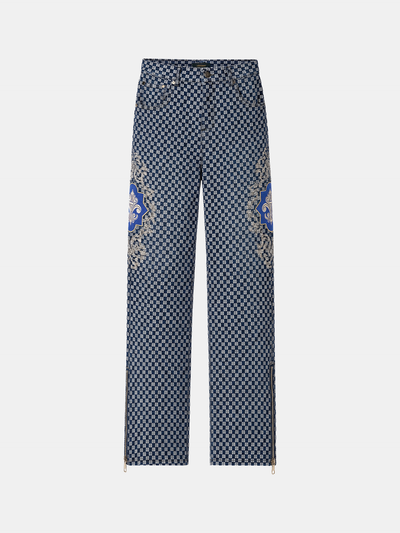
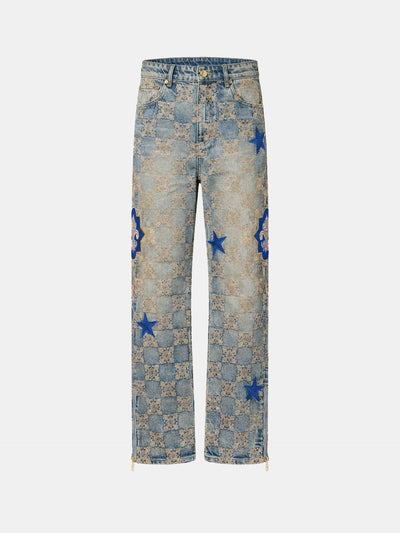
Ungefähr dort stehen wir. Jaffary Studios produziert seit 2012 Streetwear in limitierter Auflage. Unser Denim ist ein schwerer Carpenter-Schlag aus 98/2 Baumwolle-Elasthan, und die 1.618 Monogram besteht aus 100 % japanischem Baumwolldenim mit über einer Million Stickstichen.
Wir werden Ihnen nicht erzählen, dass es dasselbe ist wie eine 900-Euro-Hose. Es ist nicht dasselbe Produkt und wir haben nicht dieselbe Marke dahinter. Was es ist: das Stoff- und Verarbeitungsende dieser Gleichung, ohne den Rest.
Praktisch vergleichen
- Prüfen Sie die Zusammensetzung. 100 % Baumwolle oder eine Mischung mit wenig Elasthan sagt mehr aus als der Preis.
- Prüfen Sie das Gewicht, falls angegeben. Unter 11 oz bei einem Schlag ist ein Warnsignal.
- Schauen Sie, wohin das Geld geflossen ist. Handdistressing und Stickerei sind sichtbar. Siebdrucke sind günstig, egal was darauf ist.
- Kaufen Sie die Passform, nicht das Label. Die Passform ist das, was Sie bei jedem Tragen merken.
Written by Jaffary Studios
Mehr aus dem Journal

July 29, 2026
Heavyweight vs. Standard-Denim: Was das Gewicht wirklich bedeutet
Weiterlesen
July 29, 2026